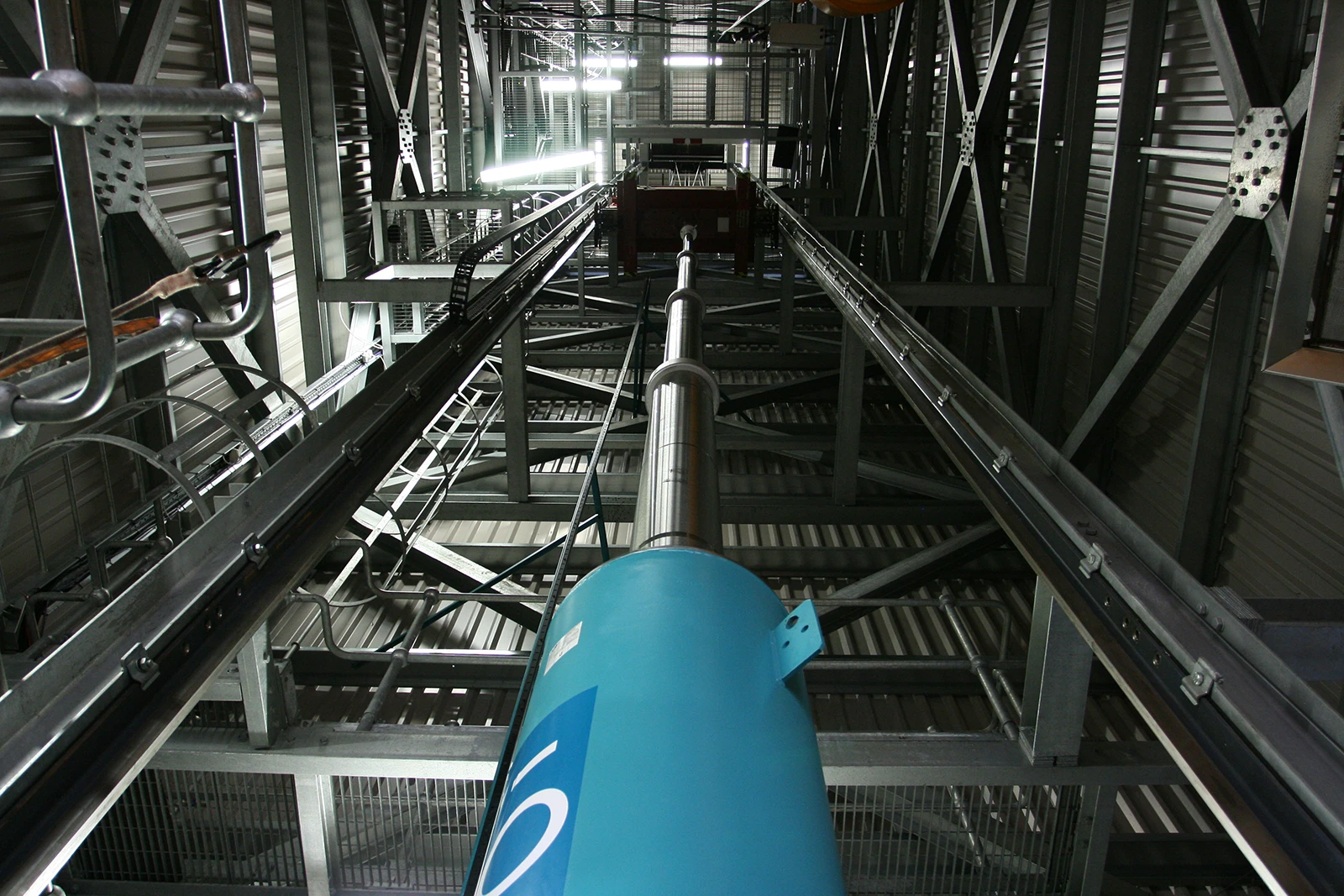

When we think about elevator safety, our minds naturally gravitate to door sensors, emergency brakes, and steel cables. Yet at the absolute base of every hoistway sits the final line of defense: the elevator buffer.
Designed to absorb kinetic energy and bring a descending car or counterweight to a controlled halt in an overtravel scenario, elevator shaft buffers are critical life-safety assets. With evolving regulatory standards, aging building infrastructure, and modern sustainability demands, understanding the importance of buffer compliance, maintenance, and lifecycle management is essential for building owners, facilities managers, and elevator contractors alike.
Why Base-of-Shaft Buffers Are Essential (And What the Legislation Says)
Elevator buffers are not optional accessories; they are strictly mandated safety mechanisms engineered to prevent catastrophic structural failure and human injury during an emergency overspeed or terminal overshoot event.
The regulatory framework surrounding elevator safety governed primarily by EN 81-20 / EN 81-50 in Europe and international markets, alongside ASME A17.1 / CSA B44 across North America places rigorous demands on terminal deceleration systems:
- Energy Dissipation vs. Energy Accumulation: Modern codes differentiate between spring-type buffers (energy accumulation) and oil/hydraulic-type buffers (energy dissipation). While spring buffers are strictly limited to low-speed applications (typically up to under EN 81-20), high-speed and modern high-rise traction elevators require certified hydraulic buffers capable of dissipating kinetic energy at controlled, human-safe deceleration rates.
- Controlled Deceleration Limits: Current standards dictate strict maximum deceleration parameters (-force limits) during a stroke event to ensure passengers are protected from severe spinal or physical impact trauma.
- Certification Requirements: Modern legislation mandates that buffers undergo stringent type-testing, complete with anti-extension interlocks and fluid-level monitoring indicators to ensure readiness at all times.
The Danger of Legacy Buffers: Why Maintenance & Retrofitting Matter
Across thousands of older commercial and residential buildings globally, legacy elevator systems are operating on aging hydraulic or spring buffers installed decades ago. Over time, environmental exposure, fluid contamination, and mechanical wear degrade buffer performance.
Risks associated with aging buffers:
- Hydraulic Fluid Degradation: Loss of viscosity, internal corrosion, and seal leak.
- Mechanical Piston Seizure: Risk of rigid impact failure during terminal impact.
- Non-Compliance With Standards: Structural failure and insurance/regulatory liability.
Maintenance & Inspection
Routine maintenance is critical. Inspecting fluid levels, verifying piston seals for leaks, checking for corrosion along the plunger rod, and ensuring gas charge pressures (where applicable) are essential to maintaining operational readiness. A buffer that has lost hydraulic fluid or suffered internal seal failure behaves like a rigid block during an impact—defeating its purpose entirely.
Refurbishment vs. Retrofitting
When a legacy buffer reaches the end of its serviceable life or fails routine statutory inspections, facilities managers face a choice: refurbish or retrofit.
While minor seal replacements can extend service life, many older units suffer from obsolete designs, obsolete spare parts, or severe internal bore pitting. In these scenarios, retrofitting with a modern, code-compliant gas-hydraulic buffer is the most cost-effective and safety-critical path forward. Modern retrofit buffers offer compact footprints and adaptable stroke lengths engineered to drop into existing shaft pits without requiring costly civil modifications.
- Understanding Lifecycle & Long-Term Asset Value
Elevators are long-term capital investments, and pit equipment must be engineered for longevity under harsh conditions—including ambient temperature swings, humidity, and dust accumulation.
Key considerations for total lifecycle management include:
- Corrosion Resistance: Specifying buffers with specialized plunger coatings, heavy-duty paint systems, and sealed fluid reservoirs dramatically extends operating lifespans in aggressive shaft environments.
- Predictable Performance: Advanced gas-hydraulic buffers deliver consistent deceleration curves across their entire design lifecycle, providing peace of mind during annual drop tests and statutory safety audits.
- Sustainability & Lifecycle Cost: Upgrading to high-efficiency, durable buffer technology reduces ongoing maintenance overhead, prevents unexpected elevator downtime, and protects the building’s core financial and structural assets.
Partner with Oleo Elevators for Certified Pit Protection
At Oleo Elevators, we design, manufacture, and test world-leading energy absorption technology to exceed global safety standards (EN 81-20/50, ASME A17.1). Whether you are specifying equipment for a new high-rise installation or retrofitting an aging legacy system, our range of gas-hydraulic elevator buffers delivers reliable lifecycle performance and safety.